
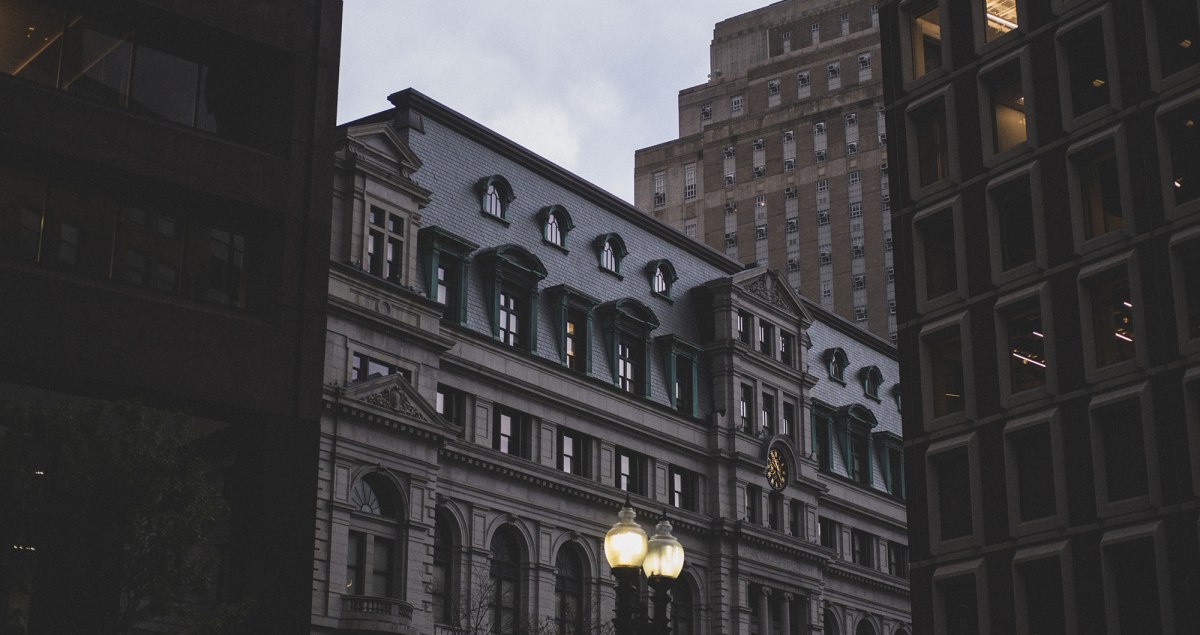
Boston

Boston is located on the Shawmut Peninsula, a promontory formed by glacial erosion and moraine deposits left behind by glaciers that retreated at the end of the last ice age. The word “Shawmut” was used for the first time to refer to the peninsula in 1640 by William Blackstone, an early English settler responsible for the founding of Boston in 1630 after inviting Isaac Johnson, a leader of the Puritan colonizers, to the area. Johnson eventually named it Boston after his own hometown in Lincolnshire, England.
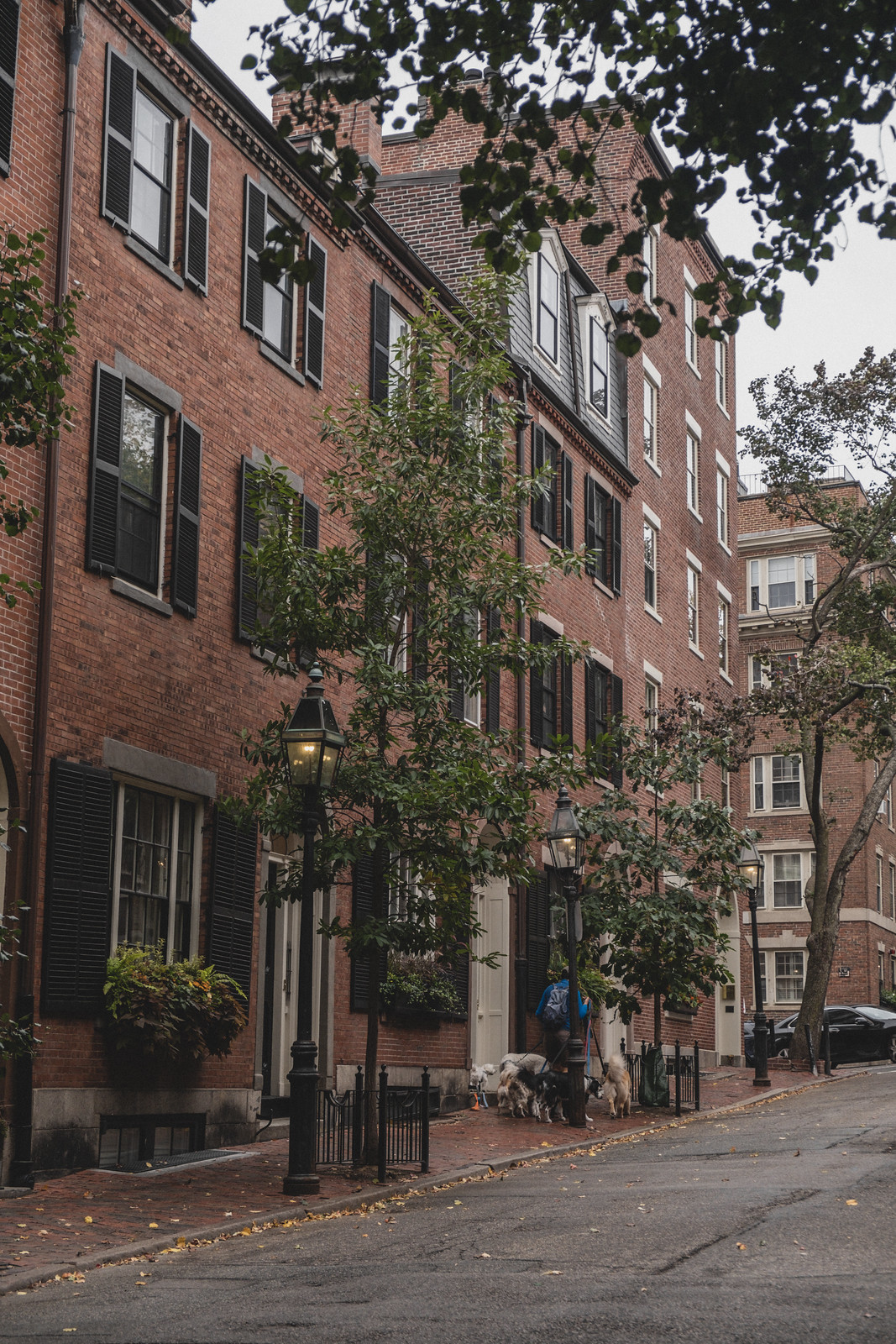

The region around modern-day Boston was previously inhabited by the indigenous Massachusett, a name which comes from the Massachusett term for “At the Great Hill,” referring to the Blue Hills which overlook Boston Harbor from the south. They were severely decimated after first contact with European explorers in New England, as the newcomers brought smallpox, influenza, scarlet fever, and leptospirosis to American soil. Eventually, English colonists took over the Massachusetts’ land, as they were too few in number to be able to fight the invaders off.

The city has been witness to many key events throughout its history, including the Boston Massacre, the Boston Tea Party, the arrival of the British as signaled by Paul Revere, the Battle of Bunker Hill, and the Siege of Boston. It also saw the birth of a few firsts: the country’s first public park (Boston Common, 1634), its first public school (Boston Latin School, 1635), its first subway system (Tremont Street Subway, 1897), and its first large public library (Boston Public Library, 1848).

Following the Great Famine in the 19th century, the Irish population of Boston grew to 35,000 people. The city likewise received an influx of immigrants from Germany, Italy, Lebanon, Syria, and French Canada, as well as Russian and Polish Jews, whose cultural influence remains in the city to this day.

Going into decline in the early 20th century as businesses moved elsewhere to find cheaper labor, Boston responded by starting urban renewal projects and improving its historic neighborhoods, though extensive demolition resulted in the displacement of many families and was met with public opposition. Today, the city is considered a leader in scientific research, law, medicine, engineering, and business, and is home to nearly 5,000 startup companies.

 Gold Colored Fox